AI-Powered Healthcare Transformation Crucial to Address Rural Doctor Shortage, Says Karnataka Minister
RGUHS Hosts Strategic Session on Artificial Intelligence and Future of Medical Education
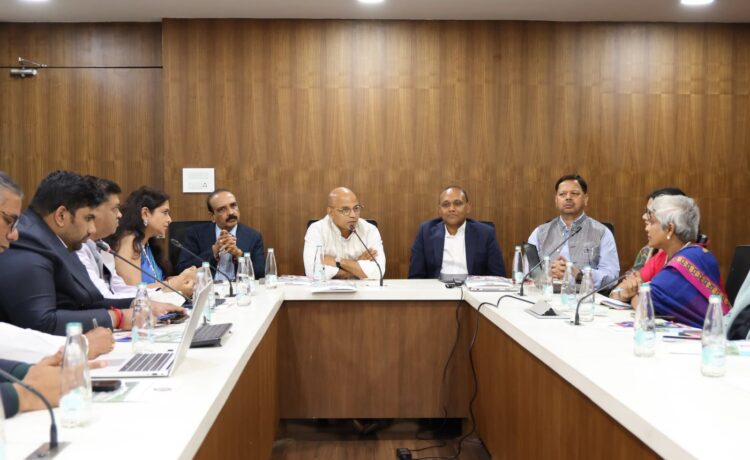
Bengaluru, 25 July 2026: Artificial Intelligence (AI) and data-driven technologies are set to transform medical education, healthcare delivery and clinical decision-making, experts said at a special academic session organised by Rajiv Gandhi University of Health Sciences (RGUHS) in Bengaluru on Saturday.
The session, titled ‘Artificial Intelligence and Data for the Future of Medical Education in India’, featured an extensive presentation by internationally recognised physician-scientist and healthcare innovation leader Prof. Shelby Kutty, who outlined a roadmap for integrating AI responsibly into medical education and healthcare systems.
Prof. Kutty highlighted that AI adoption must be supported by strong governance frameworks, patient privacy safeguards, scientific validation, equity and human oversight. He suggested introducing AI literacy and ethics into undergraduate and postgraduate medical curricula, establishing a secure statewide healthcare data collaborative among affiliated institutions, and creating an AI innovation and validation centre to assess emerging technologies before their deployment in education and patient care.
“Artificial intelligence, data-driven decision-making and digital transformation will redefine medical education, research, clinical practice and healthcare leadership. Future healthcare professionals must be equipped with the skills to succeed in an AI-enabled ecosystem,” Prof. Kutty said.
AI Solutions Needed to Tackle Rural Healthcare Gaps: Dr. Sharan Prakash Patil
Addressing Karnataka’s healthcare challenges, Dr. Sharan Prakash Patil, Minister for Medical Education and Skill Development, stressed that technology-driven solutions are essential to overcome the continuing shortage of doctors in rural regions.
He pointed out that although nearly 14,900 doctors graduate every year in Karnataka, ensuring adequate medical manpower in rural areas remains a major challenge.
“Despite producing a large number of doctors every year, the shortage of healthcare professionals in rural areas continues to affect equitable access to quality medical services. We need innovative solutions through AI-enabled healthcare systems, telemedicine and digital health initiatives,” Dr. Patil said.
He called for developing an AI model specifically suited to Karnataka’s healthcare and medical education ecosystem. According to him, a structured roadmap for AI integration can improve productivity, strengthen research capabilities, enhance teaching methods and improve healthcare delivery.
“Students and young healthcare professionals must first be trained with the knowledge and skills required to effectively use AI tools. Integrating AI into the medical curriculum is essential to prepare them for the future,” he added.
RGUHS Plans Wider AI Integration Across Healthcare Education
RGUHS Vice-Chancellor Dr. Bhagavan B.C. said the university has already begun adopting AI-based applications in academics and research, with encouraging results.
“RGUHS is committed to adopting the transformative potential of Artificial Intelligence to advance medical education. We aim to integrate AI more comprehensively across academics, research, clinical training, assessment and university administration,” Dr. Bhagavan said.
He added that innovation and global collaborations would help RGUHS lead the next generation of health sciences education while contributing to a smarter, more efficient and patient-centric healthcare system.
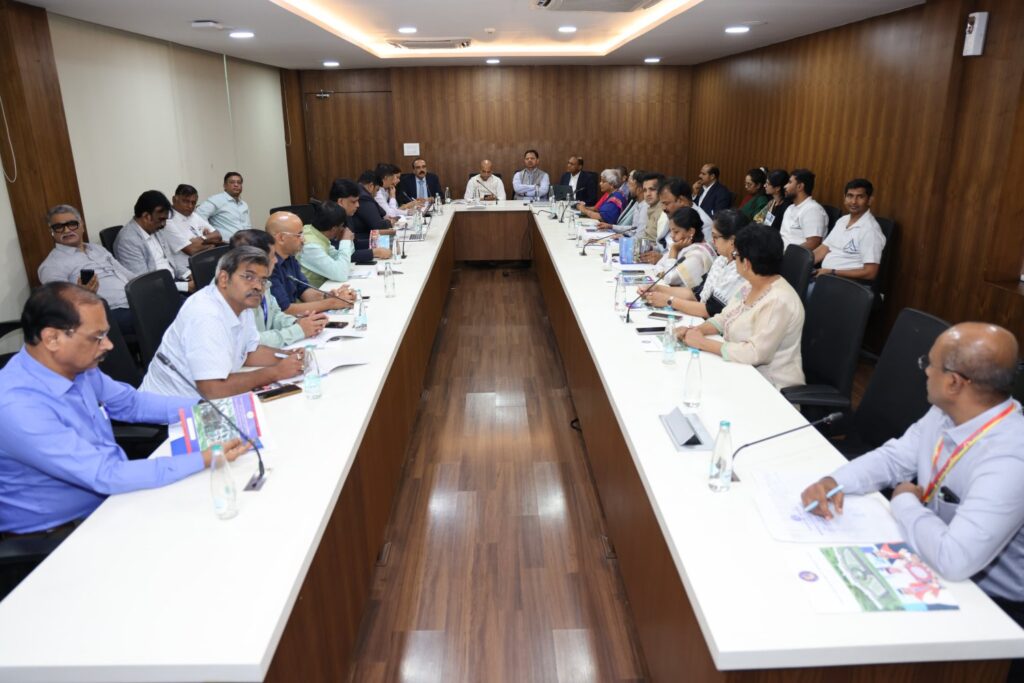
The event was attended by Sri Mohammad Mohsin, Principal Secretary, Medical Education, Government of Karnataka; Dr. Sujatha Rathod, Director, Directorate of Medical Administration; RGUHS Registrar Sri Arjun Odeyar; Registrar (Evaluation) Dr. Riyaz Basha S, along with deans and directors of RGUHS-affiliated colleges.