Karnataka Gripped by LPG Crisis: Auto Drivers Threaten State-Wide Bandh Amid Fuel Shortage
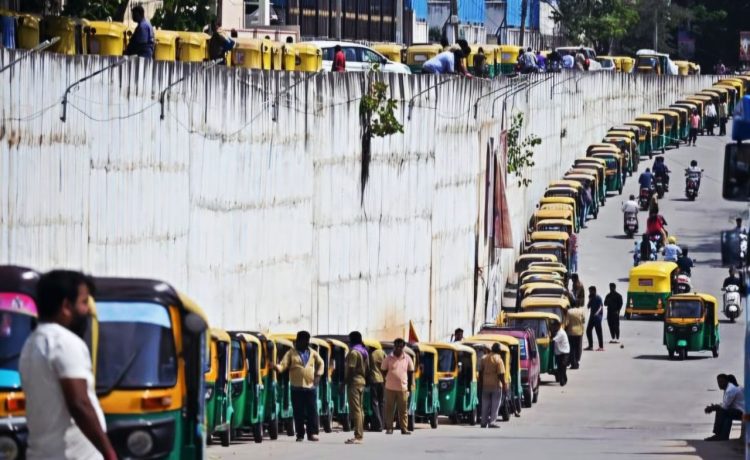
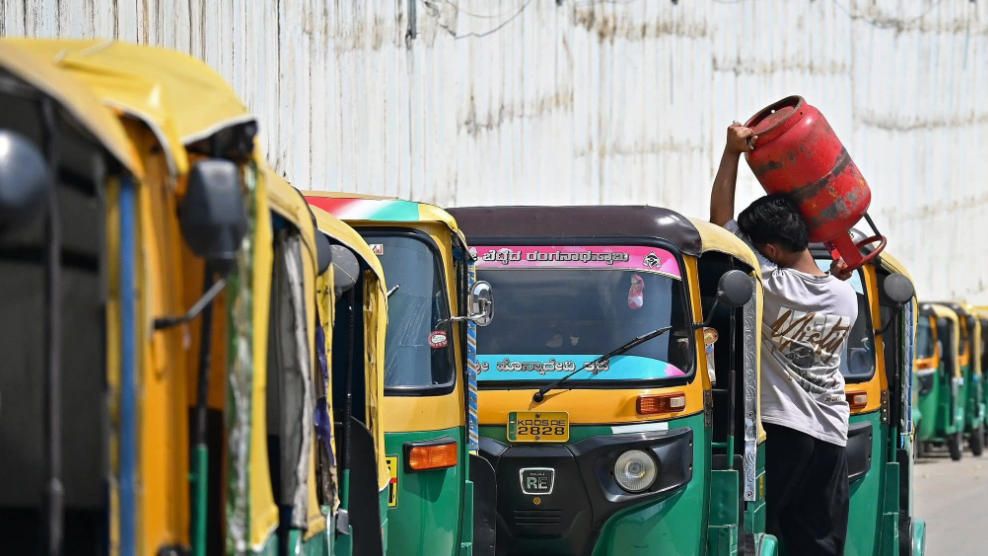
BENGALURU – The “Silicon Valley of India” is facing a mounting energy crisis as a severe shortage of Auto LPG has brought the city’s transport lifeline to a grinding halt. From the bustling streets of Hebbal to the commercial hubs of Sajjan Rao Circle, thousands of auto-rickshaws remain stranded in kilometer-long queues, forcing drivers to abandon their daily earnings in a desperate search for fuel.
The crisis, triggered by geopolitical instability in West Asia and the closure of the strategic Strait of Hormuz, has trickled down to the grassroots of Karnataka. With supply chains choked, the state’s transport sector, hospitality industry, and domestic households are all reeling under the pressure of dwindling gas stocks and skyrocketing black-market prices.
Drivers at a Breaking Point
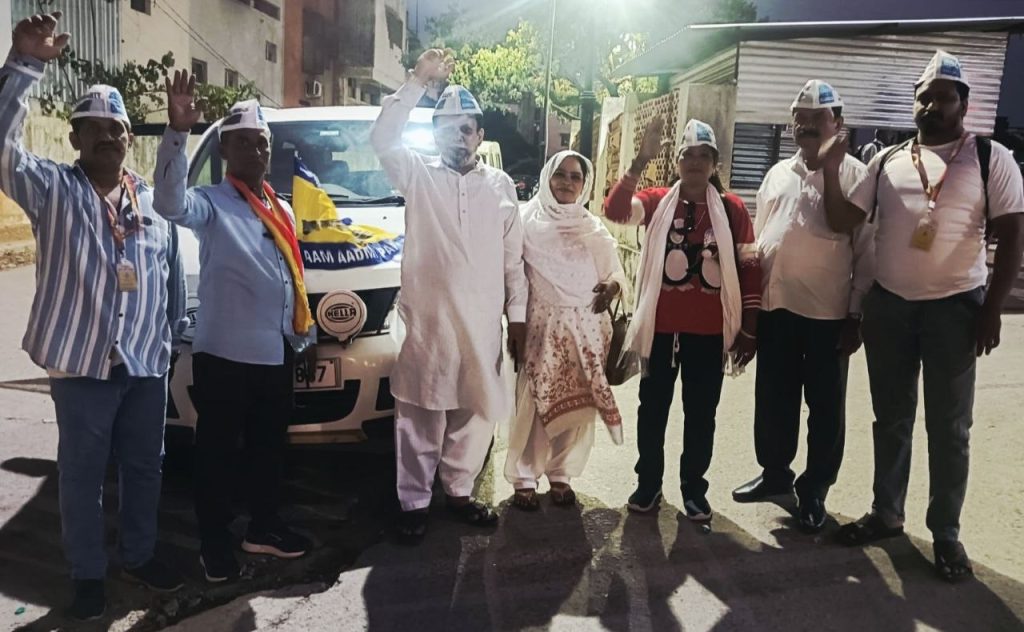
As the shortage enters its second week, the AAP Auto Union has issued a stern warning to the state government. Ayyub Khan, President of the AAP Auto Union, Bengaluru, expressed the growing frustration among the driver community.
“The poor auto drivers are suffering immensely from this LPG crisis. Why didn’t the Central Government chalk out a plan for stocking fuel despite being aware of the war situation?” Khan questioned. He further criticized the political leadership, stating, “In the capital city, drivers are standing in queues for long hours, while our top leaders are wandering in Davanagere begging for votes. Is this the way you carry out governance?”
The union has demanded a compensation of Rs. 10,000 per month for drivers until the crisis is resolved. A “Black Day” has been declared for Thursday, April 9, where drivers will fly black flags from their vehicles. If immediate intervention is not seen, the union has threatened a total “Karnataka Bandh.”
For Media Updates: +91-93531 21474 [WhatsApp] | indianowme@gmail.com
A Political Blame Game
The crisis has sparked a heated exchange between the state and the Centre. Karnataka Food and Civil Supplies Minister KH Muniyappa blamed the Union Government for failing to manage fuel reserves.
“The supply of LPG, CNG, and petrol falls entirely under the Union government’s jurisdiction. The state has no direct role in regulating it,” Muniyappa clarified, adding that the West Asia conflict has severely impacted local supplies. Chief Minister Siddaramaiah has also formally written to the Union Petroleum Minister seeking urgent intervention to ensure Karnataka receives its fair share of the national allocation.
The Shift to Survival: Petrol and CNG
In response to the scarcity, Indian Oil Corporation (IOC) urged drivers to utilize the dual-fuel capability of their vehicles.
“Approximately 70 percent of the auto-rickshaw fleet is equipped with dual-fuel capability. In light of current conditions, users are encouraged to temporarily switch to petrol,” the company stated in a recent advisory.
However, drivers argue that switching to petrol is not financially viable due to low mileage and high costs. This has led to a desperate fire sale of LPG-powered autos. Vehicles that previously commanded a resale value of Rs. 1.7 lakh are now struggling to find buyers even at Rs. 80,000, as drivers look to migrate toward CNG or Electric Vehicles (EVs).
Socio-Economic Impact
The ripples of the shortage are extending beyond the roads. Reports indicate that a significant number of migrant workers from Northern India are leaving Bengaluru due to the rising cost of living and the inability to secure cooking fuel.
With the cost of LPG reportedly touching Rs. 110-120 per liter at certain stations, the AAP Auto Union has called for immediate raids against price gouging. As the April 9 deadline approaches, the citizens of Karnataka wait to see if the government can bridge the supply gap before the state comes to a complete standstill.