Karnataka to Scrap Pass-Fail System for SSLC Third Language; Focus Shifts to Grading
Bengaluru – In a move aimed at alleviating academic pressure on high school students, Karnataka School Education and Literacy Minister S. Madhu Bangarappa announced on Saturday that the ‘Third Language’ paper in the Secondary School Leaving Certificate (SSLC) examinations will transition to a grading system. The traditional pass-fail metric for this subject is set to be abolished.
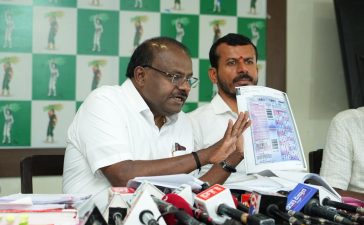
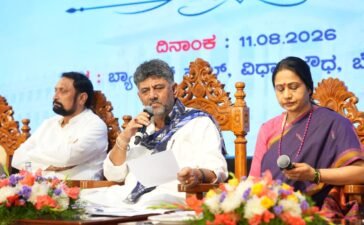
Speaking at a press conference following the conclusion of the Legislative Assembly session, the Minister detailed a series of reforms designed to modernize the state’s evaluation process and safeguard student mental health.
Reform in Evaluation: From Marks to Grades
Under the existing framework, the SSLC examination is conducted for a total of 625 marks, with 100 marks allocated to the Third Language. Moving forward, while students will still appear for the exam, their performance will be reflected through grades (such as A, B, C, or D) rather than numerical marks that impact the final aggregate percentage.
“In the upcoming SSLC exams, the Third Language will be brought under a grading system. There will no longer be a pass or fail system for this subject. The marks obtained will not be considered for the final result calculation,” Minister Bangarappa clarified.
This policy change will apply to all third-language options currently in the curriculum, including Hindi, Sanskrit, Tulu, Marathi, and Arabic. An official government order regarding this transition is expected to be released shortly.
For Media Updates: +91-93531 21474 [WhatsApp] | indianowme@gmail.com
Social Media Restrictions for Minors
Addressing the growing concern over digital addiction, the Minister highlighted a proposal discussed in the Assembly to restrict social media access for children under the age of 16. The proposal has reportedly received widespread support across party lines.
Stressing that legislation alone cannot solve the issue, Bangarappa made an emotional appeal to the public: “This problem cannot be solved solely at the government level. Parents must take greater responsibility for their children’s mobile usage and digital habits.”
Integrating Ethics and Moral Science
Furthering the government’s vision of holistic development, the Minister announced that ‘Moral Science’ will be integrated into the curriculum starting this academic year. To support this initiative, the state government will provide moral education textbooks to students free of charge.
“Our government’s primary objective is the empowerment of government schools, maintaining transparency, and freeing students from exam-related stress. By conducting three annual examinations, we have already provided students with multiple opportunities to improve their scores,” the Minister added.
A Student-Centric Future
The shift towards a grading system for the Third Language is being viewed by educational experts as a significant step toward reducing the “high-stakes” nature of the SSLC exams. By removing the fear of failure in a non-core language, the department hopes to allow students to focus more intensely on core subjects while maintaining a balanced educational foundation.
The Minister reaffirmed that these collective measures—ranging from moral education to exam reform—are part of a broader roadmap to transform Karnataka’s youth into responsible and mentally resilient citizens.