“My Vote, My Right”: Women’s Groups Decry Constitutional Exclusion in New Electoral Revision
ಮತದಾರರ ಪಟ್ಟಿಯಿಂದ ಮಹಿಳೆಯರ ಔಟ್? ಚುನಾವಣಾ ಆಯೋಗದ ಗುಪ್ತ ಪರಿಷ್ಕರಣೆ ವಿರುದ್ಧ ತೀವ್ರ ಆತಂಕ
BENGALURU – A growing coalition of women’s rights organizations and social activists has sounded an alarm over the Union Government’s Special Intensive Revision (SIR) of electoral rolls, labeling the process a “calculated move” to disenfranchise millions of women and marginalized citizens.
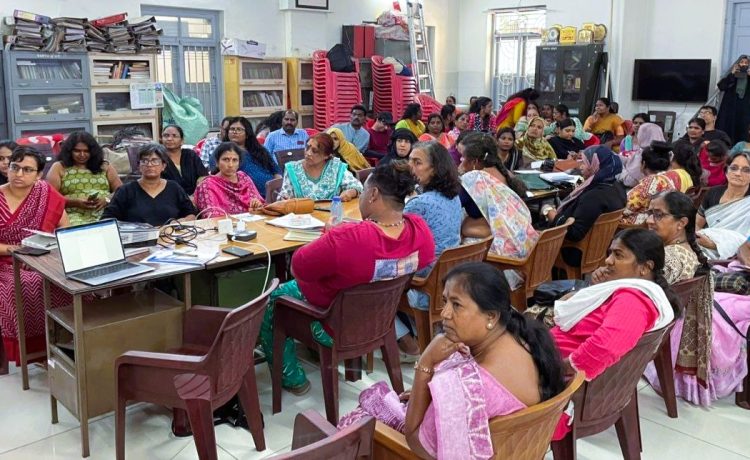
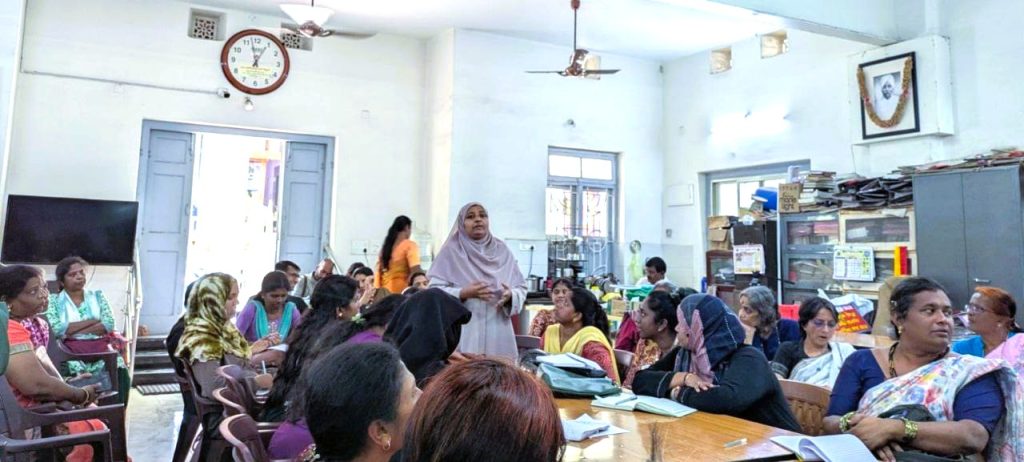
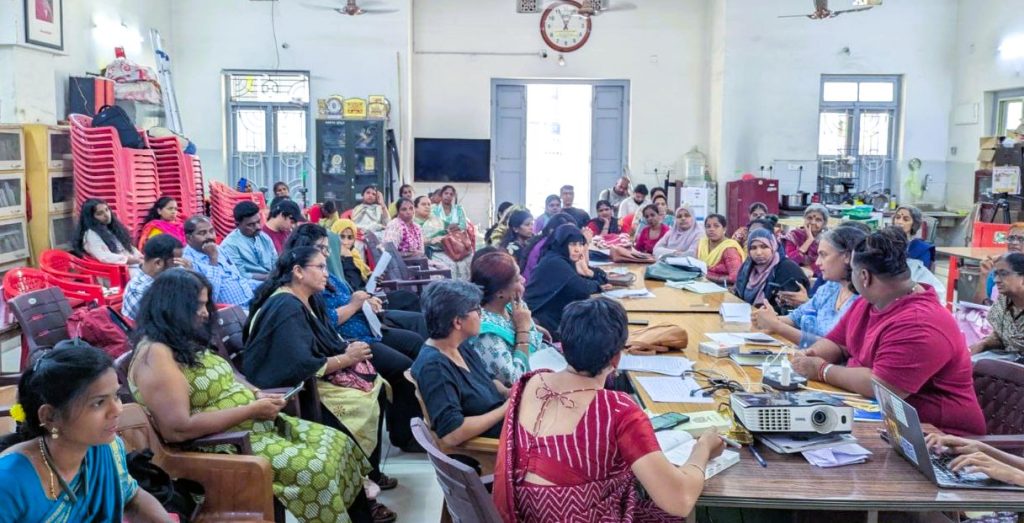
At a high-stakes consultation held at the AITUC office in Sheshadripuram on Saturday, representatives from 32 organizations warned that the design of the SIR effectively strips women, gender minorities, and migrant workers of their constitutional right to vote. The meeting, titled “My Vote, My Right” (Nanna Mata, Nanna Hakku), highlighted a looming crisis across nine states where the revision is currently underway.
A “Bureaucratic Barrier” to the Ballot
Advocate Maitreyi Krishnan of the All India Lawyers Association (AILAJ) characterized the SIR as inherently unconstitutional. She argued that while the Indian Constitution established universal adult franchise as a revolutionary pillar of democracy, the current administration is shifting the burden of proof from the state to the citizen.
“Earlier, the revision of electoral rolls was a government responsibility involving door-to-door verification,” Krishnan stated. “Now, the burden is on the individual. The Election Commission has prescribed 11 documents that are notoriously difficult for women to produce, effectively deprives them of their constitutional mandate.”
The primary concern lies in the “mapping” process, which activists claim has been conducted with a startling lack of transparency. In Karnataka alone, lakhs of domestic workers, Dalits, nomadic tribes, and slum residents reportedly find their names missing from the rolls even before the SIR is fully implemented.
The “Daughter-in-Law” Dilemma
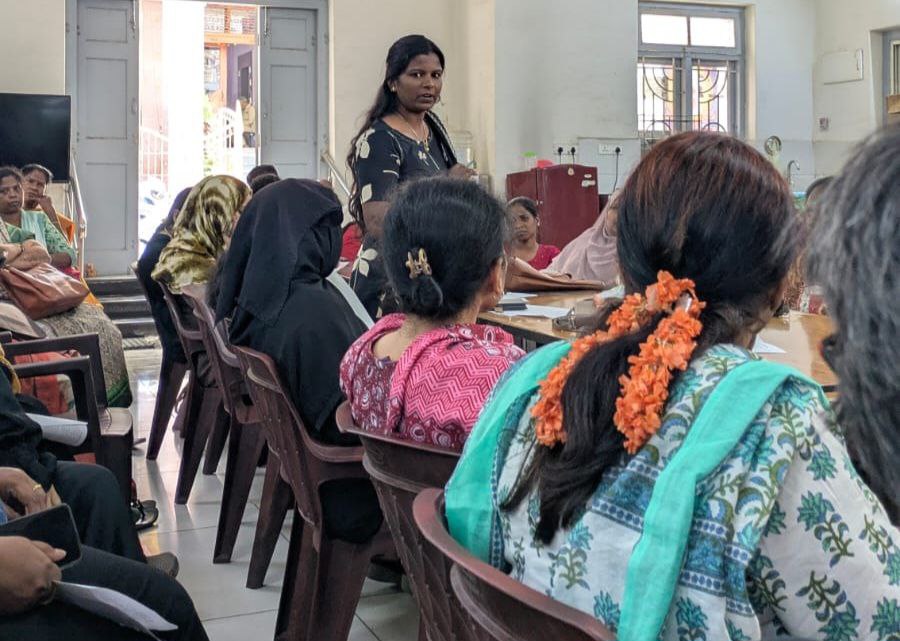
The technicalities of the SIR enumeration forms have come under intense scrutiny. Aishwarya R. of the People’s Union for Civil Liberties (PUCL) pointed out a glaring administrative oversight: the forms recognize parents, children, and grandchildren, but exclude “daughters-in-law” as a category.
“Married women are being forced to return to their parental homes, verify their parents’ names in 2002 records, and collect documentary proof just to secure a vote in their current residence,” Aishwarya explained. “This creates an impossible hurdle for working-class and unlettered women.”
For Media Updates: +91-93531 21474 [WhatsApp] | indianowme@gmail.com
Marginalized Communities and Political Misuse
The impact on gender minorities and the socio-economically disadvantaged appears even more severe. Nisha Gulur, representing gender minority organizations, noted that the SIR offers “no protection whatsoever” for LGBTQI+ citizens, many of whom lack the rigid documentation required by the new system.
Furthermore, Geetha Menon of Stree Jagruti Samiti raised concerns regarding “Form No. 7,” a mechanism intended for legitimate objections.
“Form No. 7 is being misused by political cadres to file false complaints against minority communities,” Menon warned. “The government has taken no steps to prevent this weaponization of the electoral process.”
In rural districts like Koppal, the confusion is already manifest. Durga, an activist from the Bharatiya Mahila Okkuta, shared accounts of women being told they cannot vote in their home constituencies post-marriage, leading to widespread confusion and potential mass disenfranchisement.
A Month of Resistance
The consultation, attended by prominent thinkers including Du. Saraswathi, K.S. Vimala, and Madhu Bhushan, concluded with a unanimous resolution: The SIR must be opposed as a process that allows the government to “choose its citizens” rather than citizens choosing their government.
The coalition has announced a strategic roadmap for March 2026, including:
-
Statewide Protests: Demonstrations across Karnataka throughout the month.
-
International Women’s Day (March 8): Dedicated to discussing how the SIR strips women of hard-won democratic rights.
-
Awareness Campaigns: District-level workshops and social media drives to help women navigate or challenge the exclusion.
As the Greater Bengaluru Municipal Corporation elections approach, the pressure on the Election Commission to clarify its re-inclusion process continues to mount. For now, the message from Bengaluru is clear: the right to vote is not a privilege to be granted by documentation, but a right that must be protected.