Karnataka Intensifies Bid to Reclaim Lakkundi’s “Lost Treasures” from National Museum
NEW DELHI – In a significant push to consolidate the state’s fragmented heritage, Karnataka Tourism Minister H. K. Patil has formally initiated a high-level effort to bring back over 150 historically vital artefacts from the National Museum in New Delhi to their ancestral home in Lakkundi.
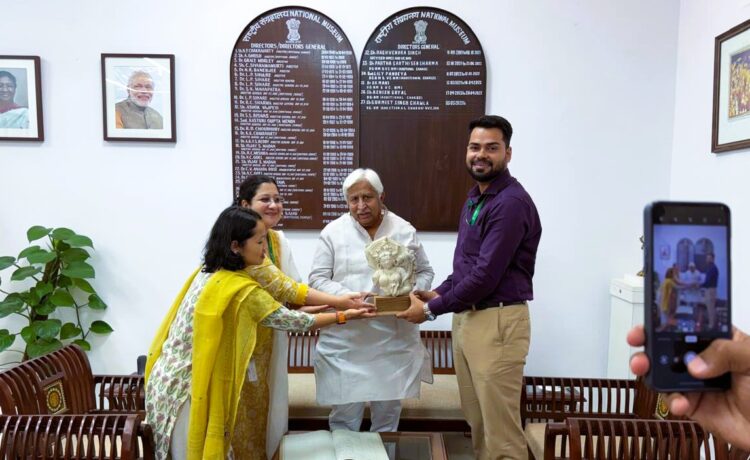
The move marks a renewed campaign by the state government to relocate regionally significant antiquities to their sites of origin. During a recent visit to the National Museum, Minister Patil personally reviewed the collection—which includes ancient weaponry, gold and silver coinage, intricate jewelry, and rare manuscripts—and engaged in preliminary discussions with museum officials regarding their eventual repatriation.
A Legacy in Custody: The 1976 Transfer
The artefacts in question have a storied provenance. In October 1976, the collection was formally handed over to then-Prime Minister Indira Gandhi by D.K. Hebboor and T.K. Nayak. For nearly half a century, these items have remained under the protected custody of the National Museum, separated from the soil of Gadag district where they were originally unearthed.
Minister Patil emphasized that the return of these items is essential for the cultural integrity of the region.
“The first stage of this process involves establishing a formal institutional dialogue with the Government of India,” the Minister stated. “We must ascertain the legal status and ownership records, including a thorough verification of the 1976 transfer documents.”
Navigating Legal and Administrative Waters
The Karnataka government is currently exploring a multi-pronged strategy that combines administrative diplomacy with legal inquiry. To secure a permanent return, the state plans to engage in extensive consultations with the Union Ministry of Culture, the National Museum administration, and the Archaeological Survey of India (ASI).
Officials indicated that the state will examine existing provisions under heritage conservation and antiquities laws to determine the feasibility of relocating protected artefacts. The goal is to ensure that the transition follows all federal protocols while asserting the state’s right to manage its local history.

Lakkundi: The “Open-Air Museum” of the Chalukyas
The drive to reclaim these treasures is deeply rooted in the historical significance of Lakkundi. Located in the Gadag district, Lakkundi served as a flourishing center of art, trade, and learning under the Western Chalukyas and later dynasties between the 10th and 12th centuries.
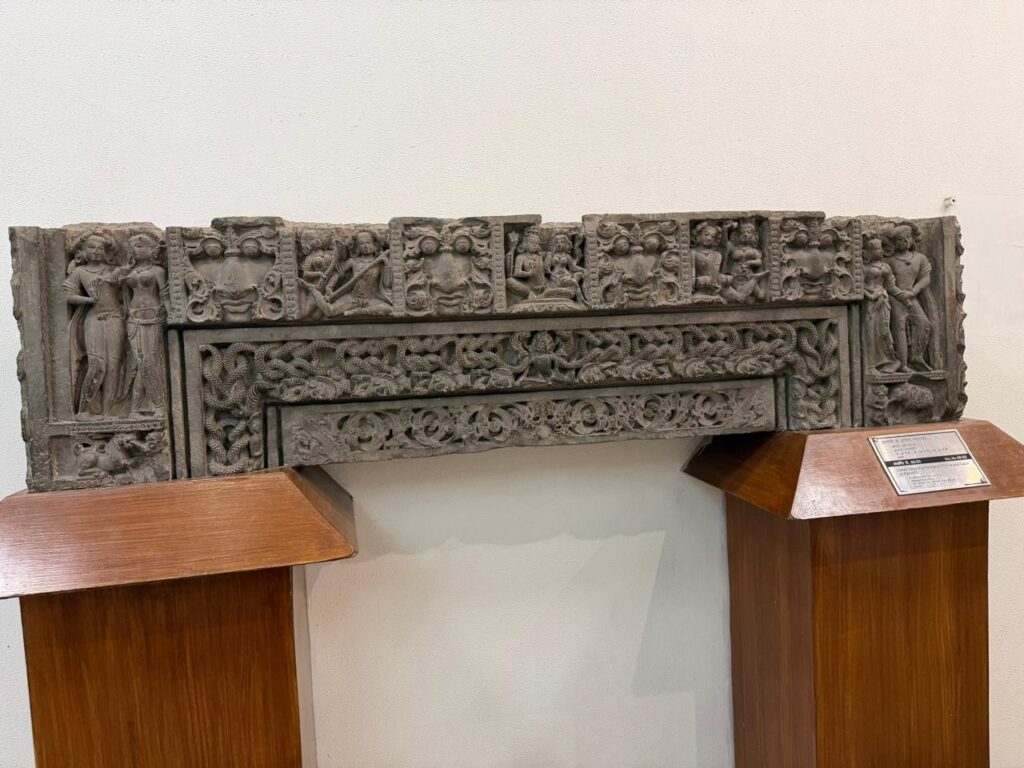
Often described by historians as an “open-air museum,” the town is home to over 50 temples and sophisticated stepped wells (pushkarnis). It is celebrated for its early experimentation with soapstone carvings—a technique that laid the architectural groundwork for the world-renowned Hoysala style.
“For Karnataka, this effort is not merely about museum objects,” a senior official noted. “It is about reconnecting a historic town with the tangible pieces of its own past.”
Restoring the Heart of Kalyana Chalukyan Art
The proposed restoration would see the artefacts housed in a dedicated facility within Lakkundi itself, complementing existing masterpieces like the Kashi Vishweshwara Temple. By reuniting the coins, inscriptions, and jewelry with the temple architecture they once coexisted with, the state hopes to transform Lakkundi into a premier destination for global heritage tourism.
As the state government prepares its formal proposal to the Centre, the focus remains on the “civilisational legacy” of the region. If successful, the return of the Lakkundi treasures could set a precedent for other states seeking the repatriation of cultural assets from central repositories to their places of origin.