Milli Council Raises Alarm Over Rights Report, Calls for Scrutiny of Alleged Anti-Muslim Abuses Across India
Maulana Aneesur Rahman Qasmi cites South Asia Justice Campaign findings on alleged killings, detentions, demolitions, electoral exclusions and hate speech; urges civil society and policymakers to respond
New Delhi, 10 August 2026: The All India Milli Council (AIMC) has expressed “extraordinary concern” over findings attributed to a quarterly report by the South Asia Justice Campaign (SAJC), saying the allegations it documents about violence, discrimination and restrictions affecting Muslims warrant serious scrutiny and an institutional response.
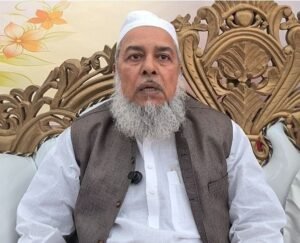
Reacting to the report covering May to July 31, AIMC Working President Maulana Aneesur Rahman Qasmi said the findings, if substantiated, raised troubling questions about human rights, democratic safeguards and India’s pluralistic character.
अल्पसंख्यकों के खिलाफ कथित हिंसा और भेदभाव पर मिल्ली काउंसिल ने जताई गंभीर चिंता, जवाबदेही की मांग
‘Allegations Demand Independent Scrutiny’
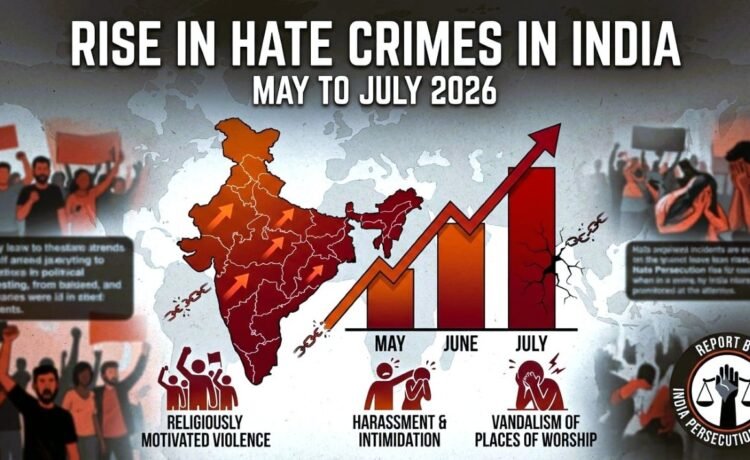
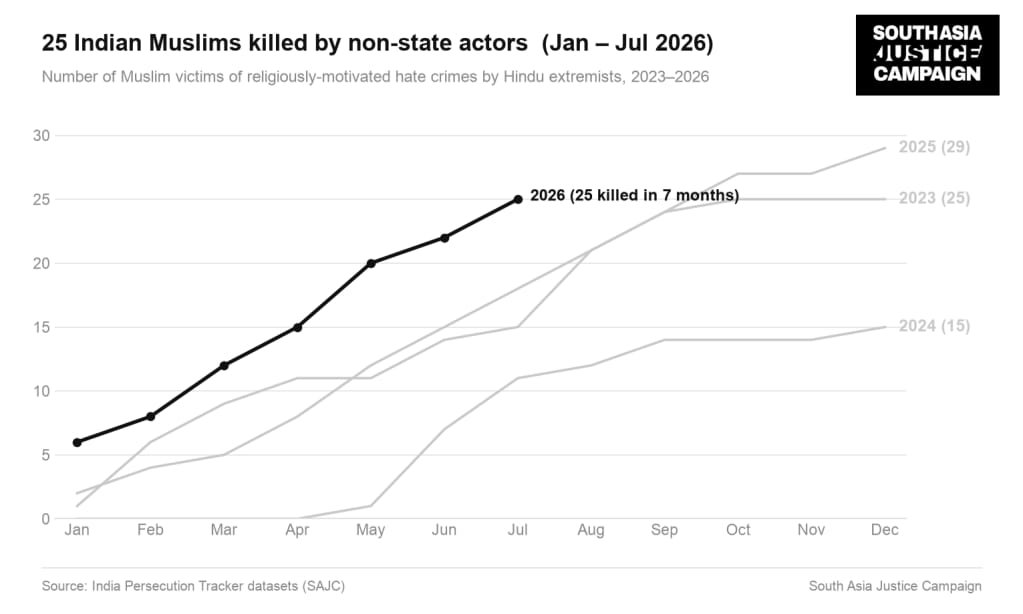
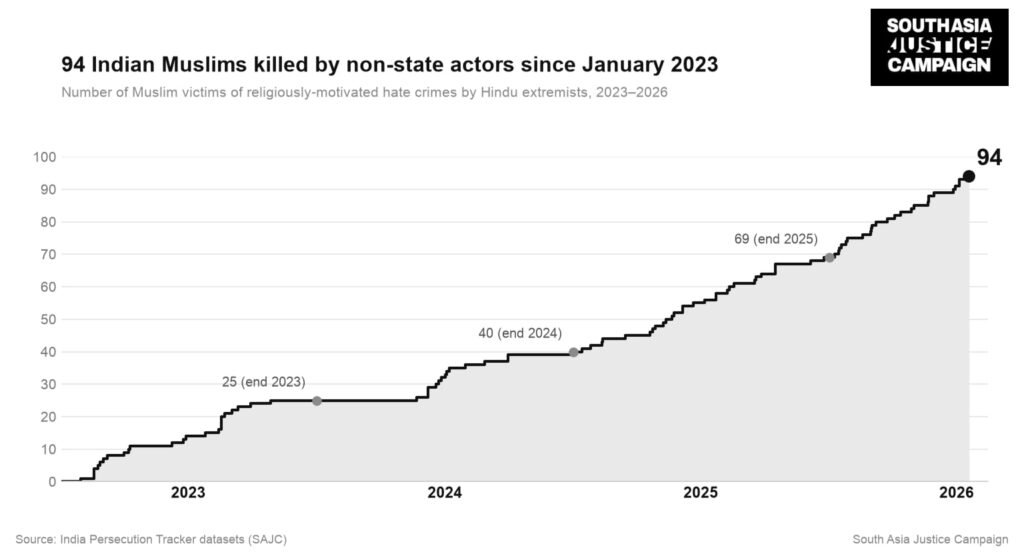
Qasmi cited the report as documenting 15 alleged extrajudicial killings, violence and abuses across several states, and more than 25 deaths allegedly linked to Hindu extremist violence.
“These figures are deeply painful and disturbing. Allegations of extrajudicial killings or violence motivated by religious identity cannot be treated casually in a constitutional democracy,” Qasmi said.

The Council also highlighted the report’s claims concerning criminal cases against more than 48 Muslims in Bijnor over prayers allegedly offered on a road, action related to “I Love Muhammad” posters in Sambhal, and the arrest of Muslim women in cases linked to cow-protection laws.
Detentions and Electoral Rolls Raise Concern
The statement further cited claims that more than 2,500 Kashmiris were detained following a militant attack and that 13 people were arrested during a Kolkata protest.
AIMC also expressed concern over the report’s allegations surrounding the Special Intensive Revision (SIR) of electoral rolls, including a claim that more than six crore names were removed and that Muslims were disproportionately affected.
“Electoral rolls are the gateway to democratic participation. No eligible citizen should lose the right to vote because of identity, administrative shortcomings or an opaque process,” Qasmi said.
مسلمانوں کے خلاف مبینہ زیادتیوں پر ملّی کونسل کی غیر معمولی تشویش، جواب دہی کا مطالبہ
Demolitions, Deportations and Madrasas Flagged
The Council referred to allegations of forced displacement in Assam and deportations involving thousands of Muslims, as well as claims that more than 1,000 Muslim homes, shops, businesses and places of worship were demolished across eight states.
It also criticised the reported withdrawal of state funding from affiliated madrasas in Uttarakhand and raised objections to Uniform Civil Code initiatives that it believes could undermine Muslim personal law.
“Religious freedom, equality before law and human dignity are constitutional guarantees, not privileges to be selectively granted,” Qasmi said.
‘Silence Cannot Replace Accountability’
The AIMC leader also condemned what he described as a continuing pattern of inflammatory statements by some political leaders. He accused the Union government of failing to respond adequately to such rhetoric and allegations of discrimination.
“Silence in the face of injustice cannot become a substitute for accountability,” Qasmi said. “Every credible allegation must be investigated impartially, and those responsible for unlawful acts must be held accountable irrespective of their position or affiliation.”
He appealed to civil society groups, Muslim and non-Muslim intellectuals, human-rights advocates and policymakers to collectively examine the reported developments and pursue constitutional, peaceful and democratic remedies.
“India’s strength lies in justice, equality and its diversity. Protecting these principles is a shared national responsibility,” Qasmi added.