
Art & Culture

Hounded in India, Revered in Dubai: The Two Worlds of M.F. Husain

From Exile to Ferrari: The Gulf Chapter of M.F. Husain’s Life Recounted in New Memoir

A Journalist’s Book Explores the Artist’s Forced Exile, Lavish Lifestyle, and the Enduring Identity of the Diasporic Bihari

by Mohammed Wajihuddin 

The story of how India’s most celebrated modern artist, M.F. Husain, relinquished his citizenship amid a storm of controversy was first broken to the world not from a newsroom in Delhi or Mumbai, but from Doha by a Gulf-based Bihari journalist. This pivotal moment forms a revealing chapter in Ehtesham Shahid’s new book, “The Roaming Bihari & His Bagful of Stories,” which intertwines the narrative of Husain’s opulent exile in the Gulf with a broader meditation on identity, displacement, and the experiences of Indians abroad.

Background: A Passport Surrendered
In March 2010, hounded by multiple lawsuits from conservative groups over his artwork, the painter often called “India’s Picasso” made a painful decision. He acquired Qatari citizenship and surrendered his Indian passport, later obtaining an Overseas Citizen of India card to maintain a formal link to his homeland. Shahid, then a journalist in Doha, was alerted by an official at the Indian mission and broke the news internationally—a fact obscured until now, as news agency reports rarely credit individual correspondents.

The Roaming Bihari’s Lens
Shahid’s memoir is as much about place and personhood as it is about reportage. Defying any reluctance among migrants to acknowledge their origins, Shahid proudly details his Bihari roots, exploring the cultural idiosyncrasies and linguistic quirks of his community. The book argues that geographical displacement does not erase cultural identity, a theme that resonates with many in the Indian diaspora.

Media Updates: +91-93531 21474 [WhatsApp] | indianowme@gmail.com

Husain’s Gulf Life: King-Size and Unrepentant
The memoir paints a vivid picture of Husain’s life after leaving India. Based primarily in Dubai and Qatar, the artist embraced his exile with a famously flamboyant lifestyle. Shahid quotes from UAE-based journalist Mazhar Farooqui’s “The Maz Files,” which details the artist’s “seven homes in Dubai and perhaps as many cars, including a couple of Ferraris, Bentley, Aston Martin and a customised Bugatti Veyron.”

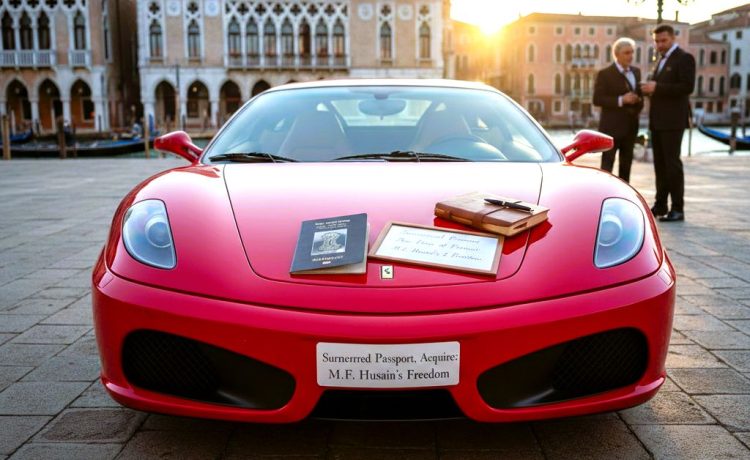
“He lived life king-size and was often spotted whizzing around the city in his red Ferrari,” Shahid writes. This image of the “barefoot Badshah” in a high-speed luxury car became a potent symbol of his unbroken spirit despite his forced departure from India.

A Missed Interview and Lingering Regrets
Shahid expresses a professional regret: missing a chance to interview the artist after being approached by a London-based arts firm. He reflects on opportunities lost, a sentiment echoed by others in India’s cultural circles who hoped for the maestro’s return. The artist died in London in 2011, and his family declined a later Indian government offer to repatriate his body, a refusal seen as justified given the state’s earlier failure to protect him from legal harassment.

Beyond the Anecdote: The Gulf in Transition
The chapter situates Husain’s story within Shahid’s broader observations of the Gulf region, where he worked for years. He notes the socio-economic dynamics of GCC nations, their attempts to diversify beyond oil and shed the reputation for exporting “petrodollar Islam,” and the resilience of cities like Dubai through global economic cycles.

A Reflection on Shared Roots
For the reviewer, a fellow journalist and Bihari, the book serves as a mirror. The shared background—roots in Bihar’s Maithili-speaking region, education at Aligarh Muslim University, and careers in journalism—highlights the diverse paths taken by those who leave their home state. Shahid’s clear, prescriptive prose, honed as an editor and columnist, effectively captures these complex narratives of belonging and observation.

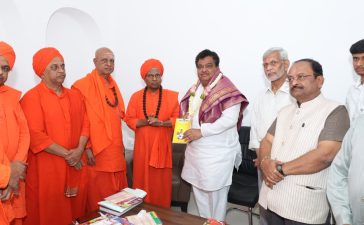
The book’s launch in Mumbai is anticipated soon, following an event in Delhi where prominent members of the Bihari diaspora engaged with its themes. Through Husain’s red Ferrari and the roaming journalist’s notebook, the story captures poignant truths about art, exile, and the indelible imprint of home.

Key Quotes:

  • On Husain’s Decision: “Hounded by lawsuits, India’s ‘Picasso’ surrendered his passport in Doha—a final, painful severance from the motherland that revered and reviled him.”

  • On His Lifestyle: “He lived life king-size and was often spotted whizzing around Dubai in his red Ferrari,” writes Shahid, detailing the artist’s fleet of luxury cars and multiple homes.

  • On Lasting Regret: “The hope was that the genius would return… This remains postponed for Roze Qayamat (Judgement Day) as Husain Sahab sleeps peacefully in a grave in London.”

  • On Identity: “You can take a Bihari out of Bihar, but you cannot take the Bihar out of a Bihari”—an adage the book reaffirms through tales of diaspora and unwavering roots.

Note: The writer Mohammed Wajihuddin is a senior journalist with The Times of India. This essay has been taken from his social media platforms.

Loading

News Desk
the authorNews Desk

Leave a Reply